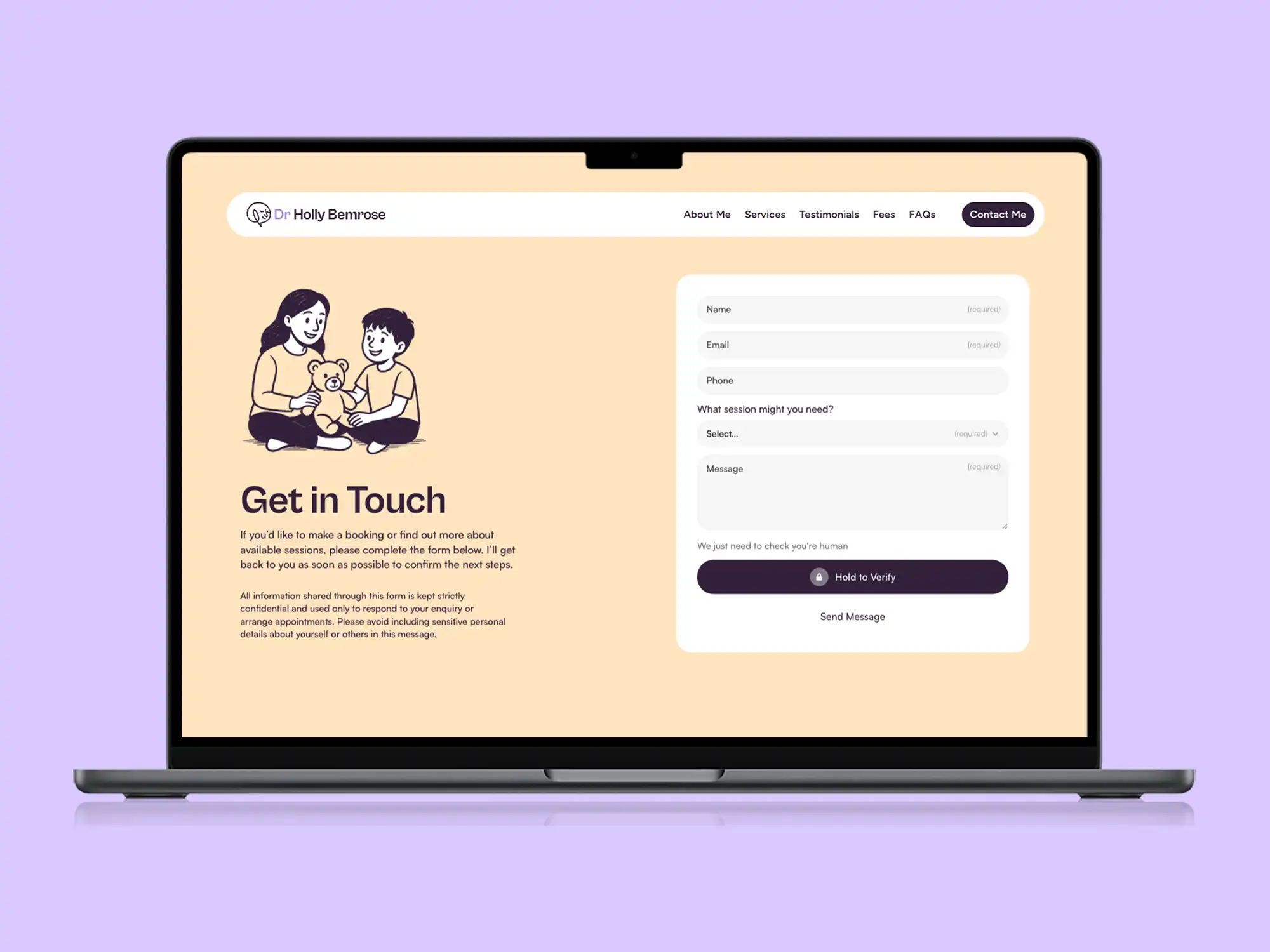


Starting a new website is exciting, but a little preparation can save you time, money and a fair bit of back and forth. You don't need every last detail figured out before speaking to a designer, but having a few things ready will help get your project moving in the right direction.
1. Know What You Want Your Website to Do
Before thinking about colours, layouts or fancy animations, consider what you need your website to achieve. Are you looking to generate enquiries, sell products, showcase your work or explain your services?
Think about your customers, too. What information will they be looking for, and what do you want them to do when they arrive? Having a clear idea of these things helps shape a website around your business rather than just making something that looks nice.
2. Get Your Content Together
Missing content is one of the easiest ways for a website project to stall. Your designer needs to know what each page should communicate, even if the wording isn't polished yet.
Start gathering information about your business, services, products and contact details. Existing brochures, marketing materials or website copy can provide a useful starting point.
Don't worry about getting every sentence perfect. Rough notes are better than a blank page, and your content can be refined as the project develops.
3. Gather Your Branding and Images
If you already have a logo and visual identity, make sure you can access the original files. High-quality logos, brand colours and fonts help keep your new website consistent with the rest of your business.
You'll also want to gather any photography, product images or team photos you'd like to use. Good imagery can make a real difference to how your website looks and feels, so it's worth checking what you have before the design begins.
If your branding no longer reflects your business, mention it early. There's little point building a shiny new website around an identity you're planning to replace.
4. Make a List of Pages and Features
You don't need a detailed site plan, but a rough list of the pages you need is a good starting point. A typical business website might include a homepage, about page, services, portfolio and contact page. An online shop will have different requirements, including product pages and collections.
Think about the features you might need, too. Perhaps you want a blog, booking system, enquiry form or the ability to update your own content. Identifying these requirements early helps your designer plan the right solution rather than trying to bolt things on later.
5. Sort Out Your Domain and Website Access
Already have a domain name? Make sure you know where it's registered and can access the account. The same goes for any existing website or hosting service.
These details can easily get overlooked, particularly if your domain was purchased years ago. Finding out who manages everything before the project begins can prevent unnecessary delays when it's time to launch.
If you're unsure what you have or where to find it, don't panic. It's something you can work through with your designer.
6. Have a Budget and Timeline in Mind
You don't need an exact budget before your first conversation, but having a realistic figure in mind helps your designer recommend an appropriate approach.
A straightforward business website has very different requirements from a large ecommerce store with custom features. Knowing your priorities makes it easier to focus your budget where it will be most useful.
It's also worth mentioning any deadlines, whether that's a rebrand, product launch or upcoming event. The more notice you can give, the easier it is to plan the work properly.

